
House Rewiring - Full & Partial
House rewiring replaces or upgrades a property's electrical cabling, either in full or as a partial rewire of specific circuits, bringing an installation up to current UK wiring regulations. Mark's rule on this one is simple, he'll tell you straight whether you actually need a full rewire or just a partial one, not whichever sounds like the bigger job. If you live in Horley, Redhill, Reigate, Crawley or the surrounding Surrey and West Sussex area and you're wondering which one applies to you, here's what's actually involved.
All work completed by MS Electrical Solutions comes with a 24-month workmanship guarantee.
Thinking About Rewiring?
Thinking about rewiring your home? This episode breaks down realistic UK rewiring costs, what affects the price (property size, access, age of the current wiring), and what's actually included in a full rewire vs a partial one.
Our full price guide provides honest, transparent and clear pricing. No hidden fees, just local honest electrical services and advice.
Recent Rewiring Work: Horley
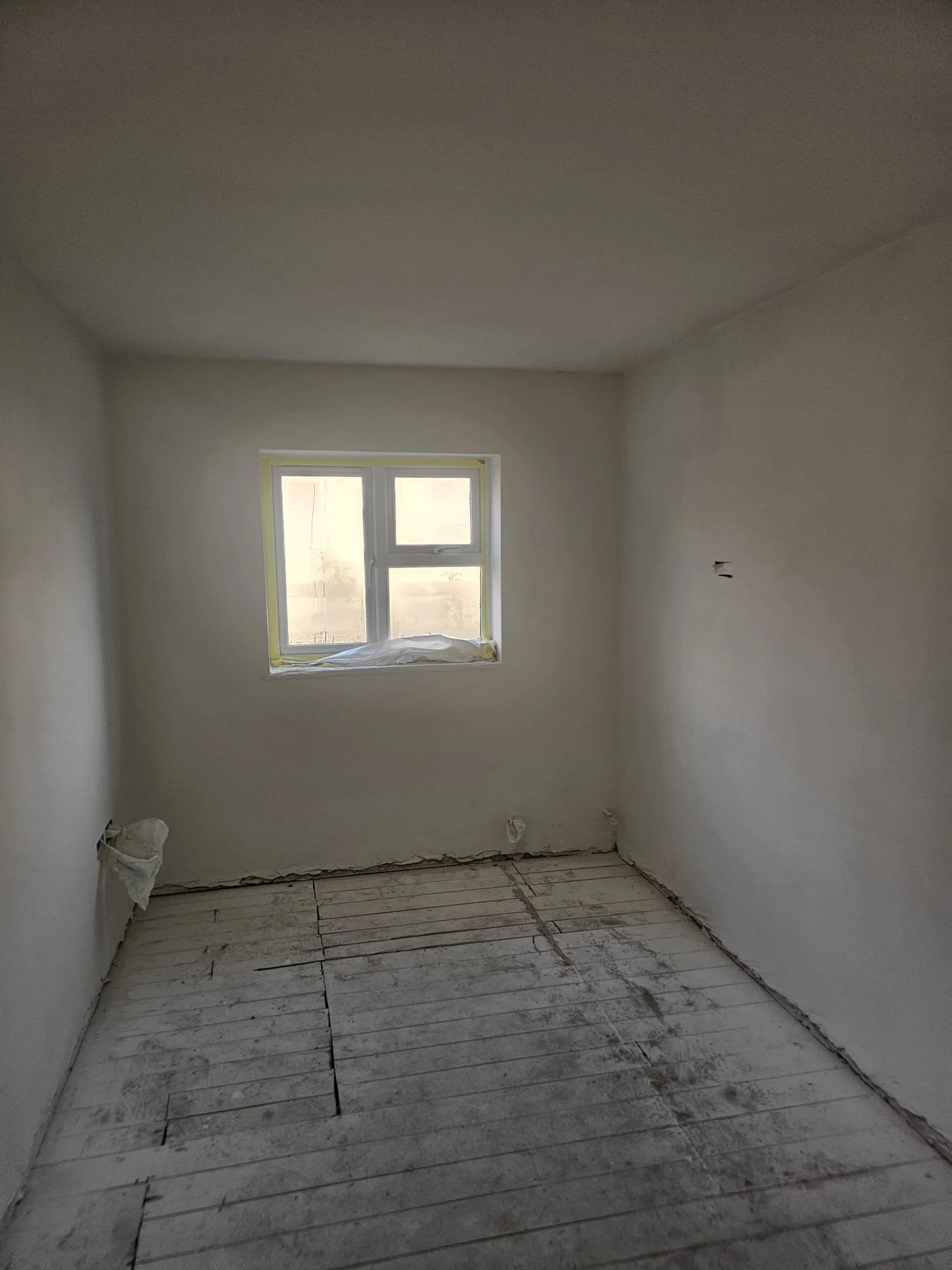
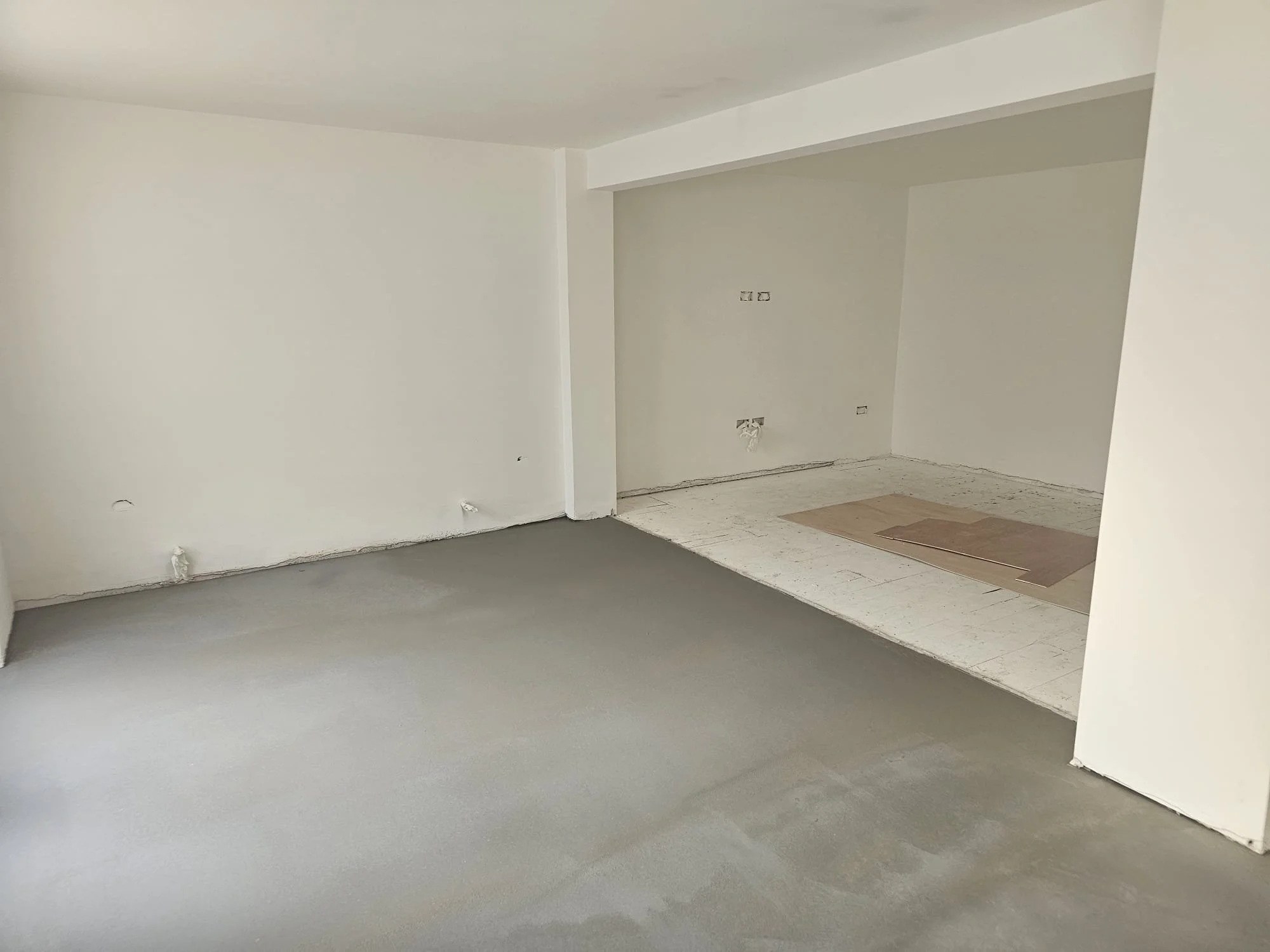
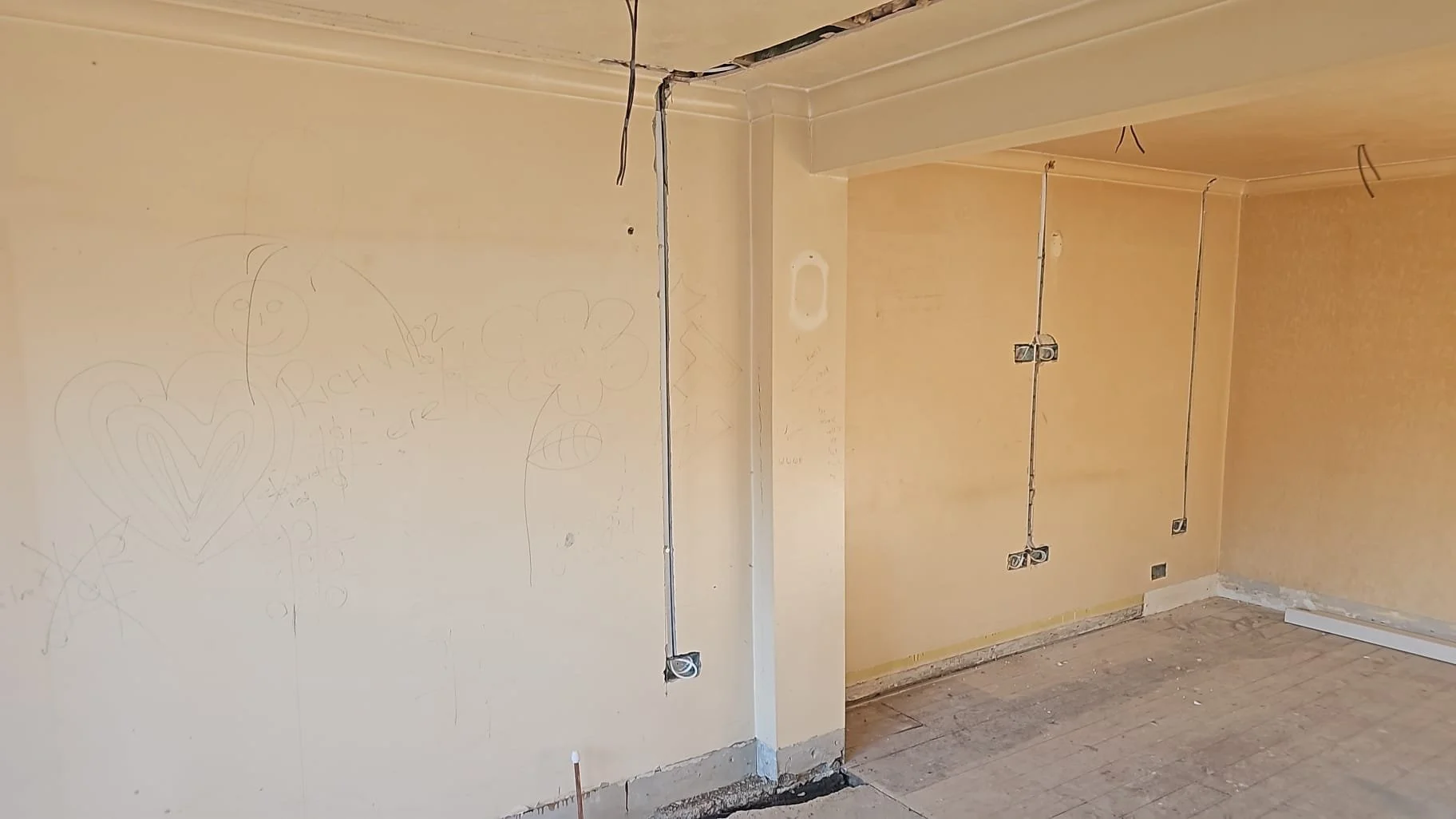
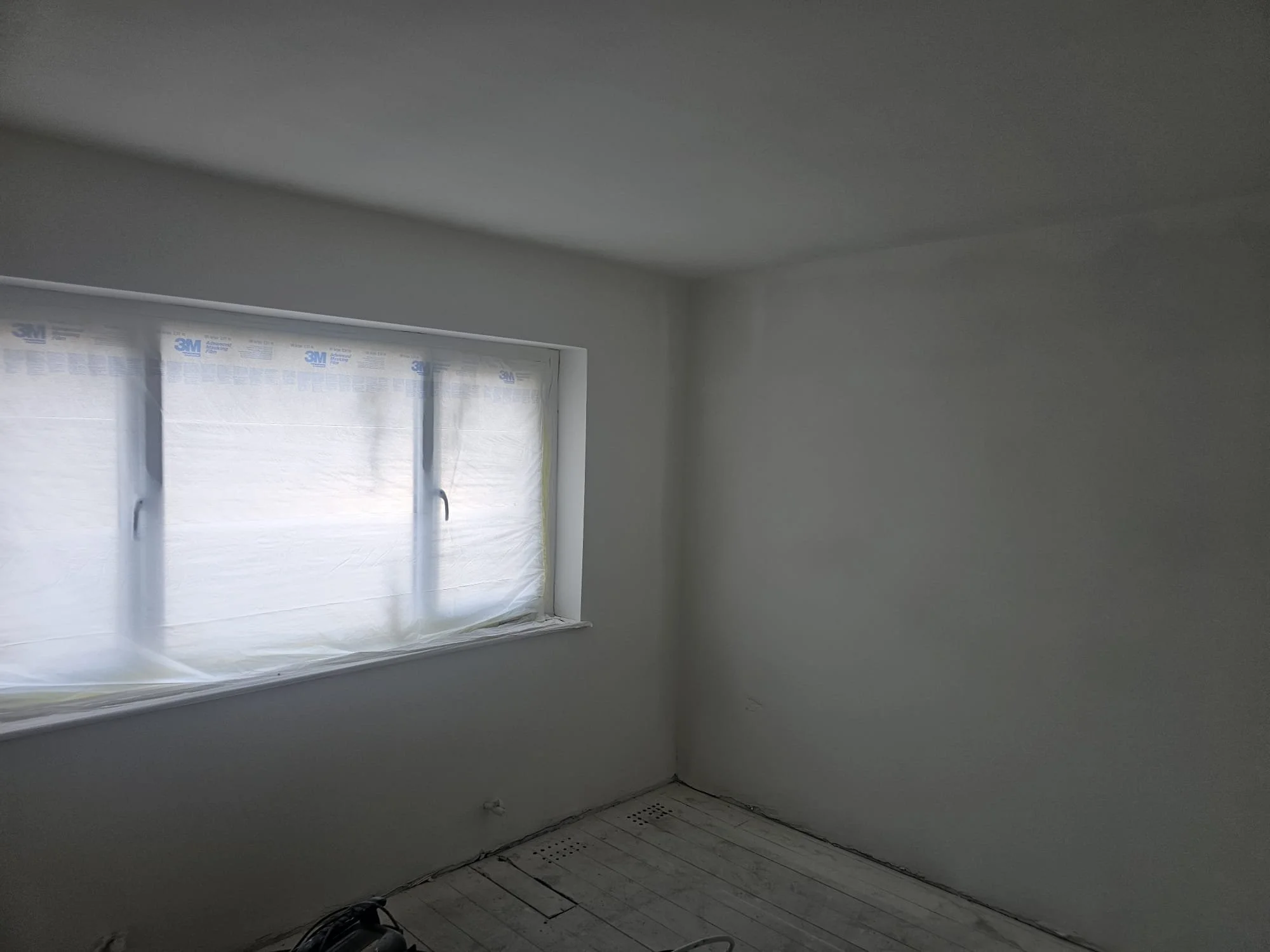
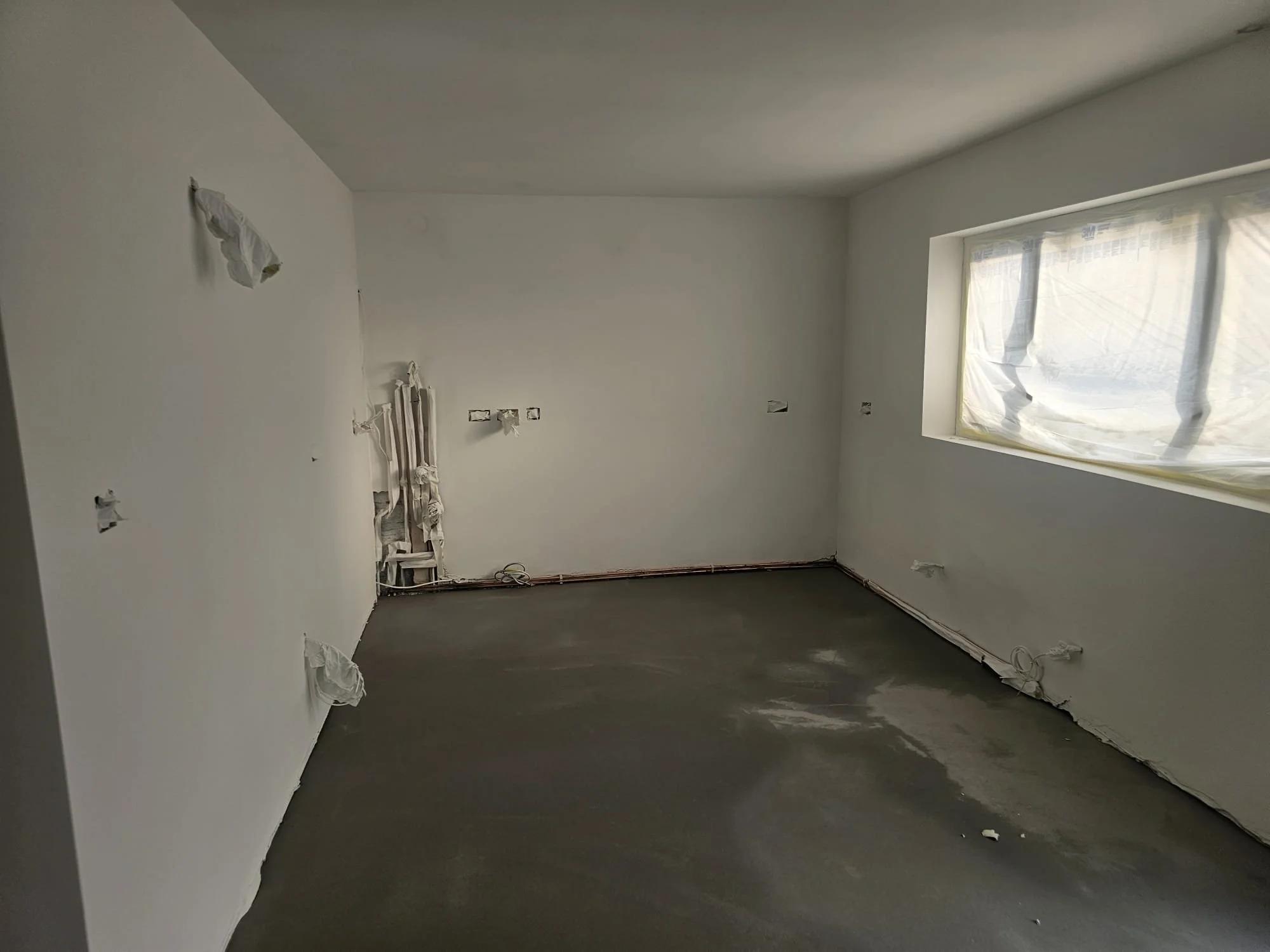
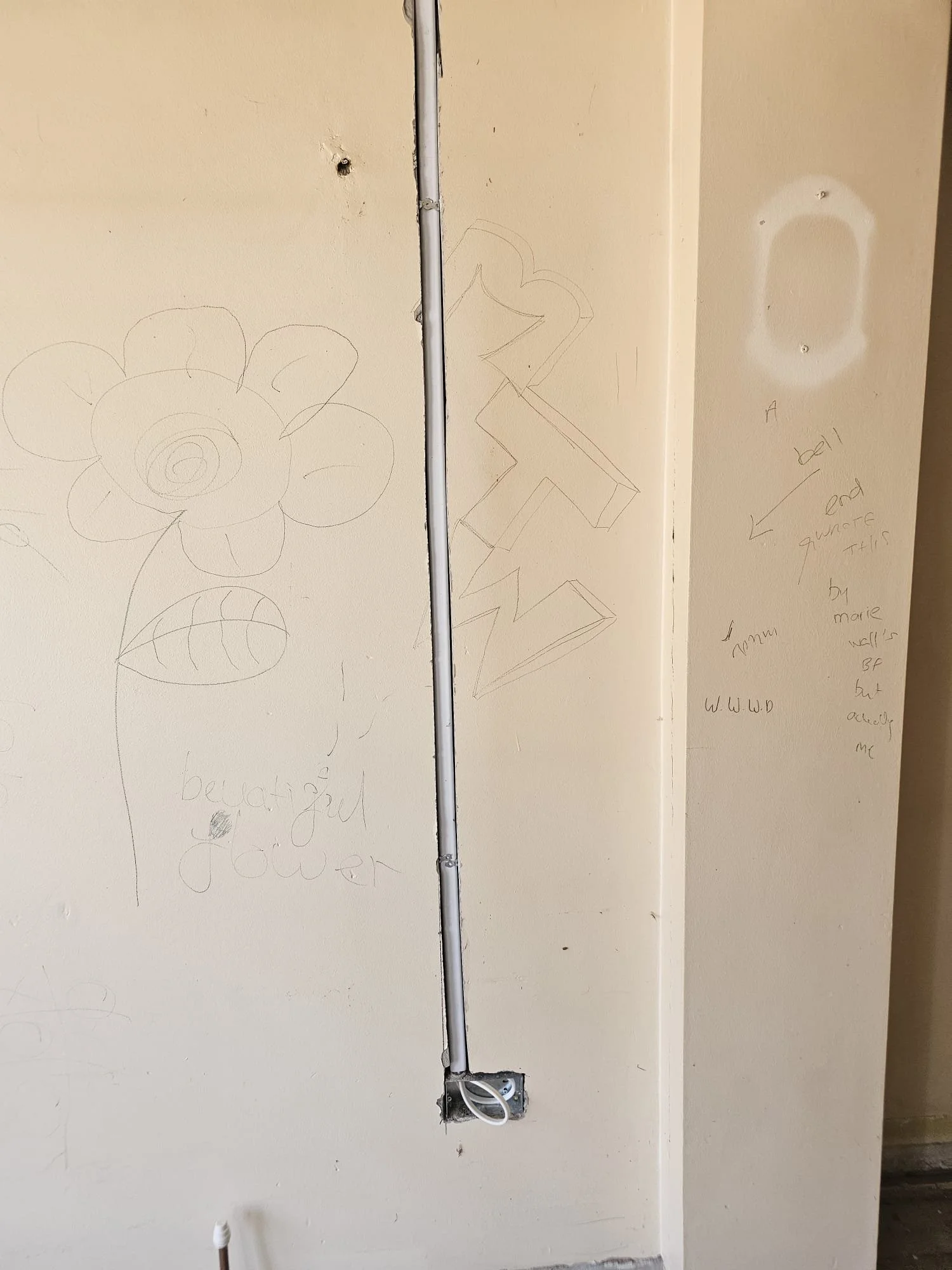
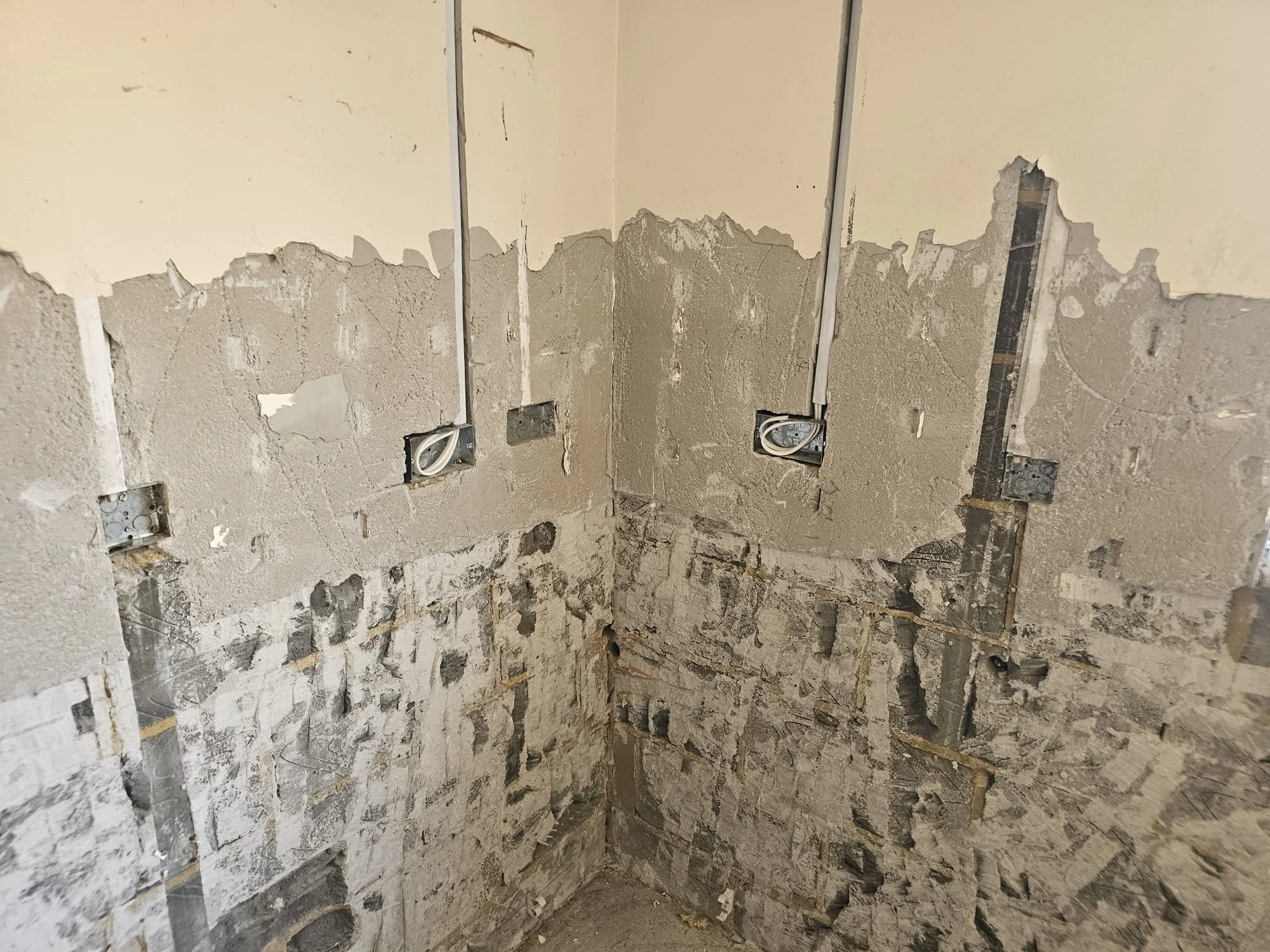
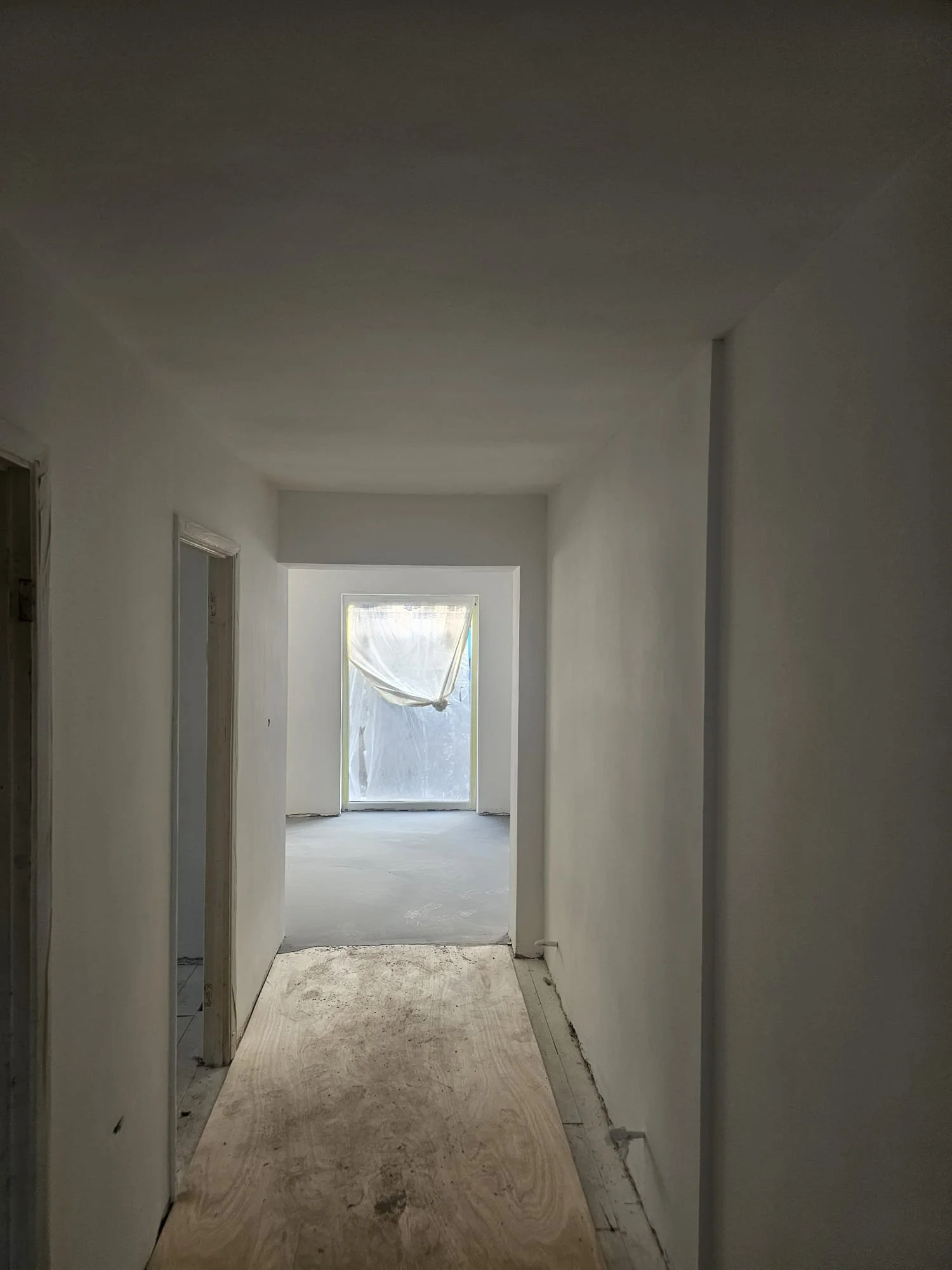
We recently completed a full rewire on a 3-bed bungalow with garage in Horley, including a consumer unit replacement - standard practice on a full rewire, since the existing board rarely meets current wiring regulations once everything else has been upgraded. The job took 10 working days from first fix through to second fix, testing and certification, finishing with a tidy, redecoration-ready result throughout.
Like all our rewiring work across Horley, Redhill, Reigate and Crawley, it's backed by our 24-month workmanship guarantee and completed to BS7671 standard with full NAPIT certification on completion.
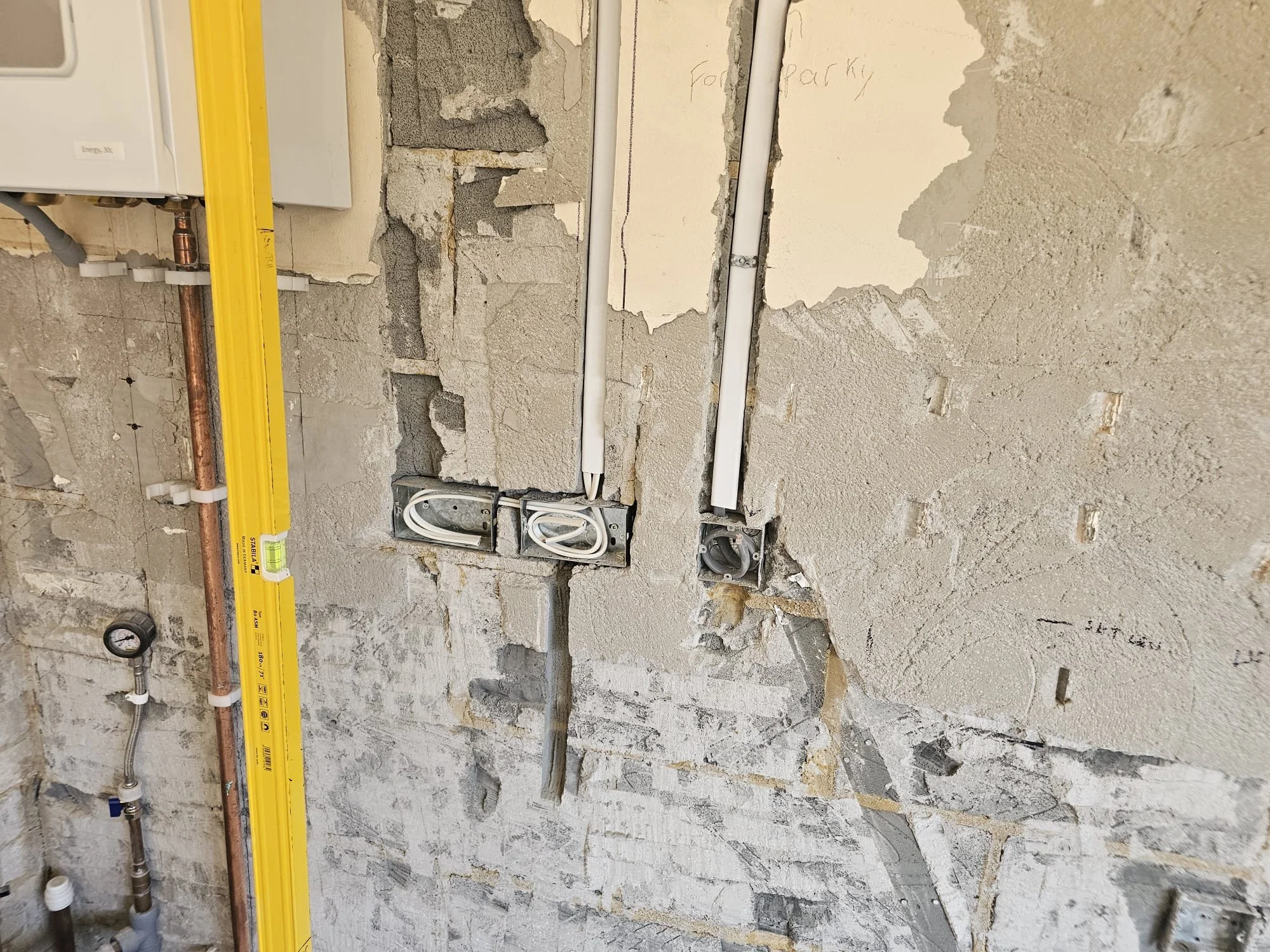
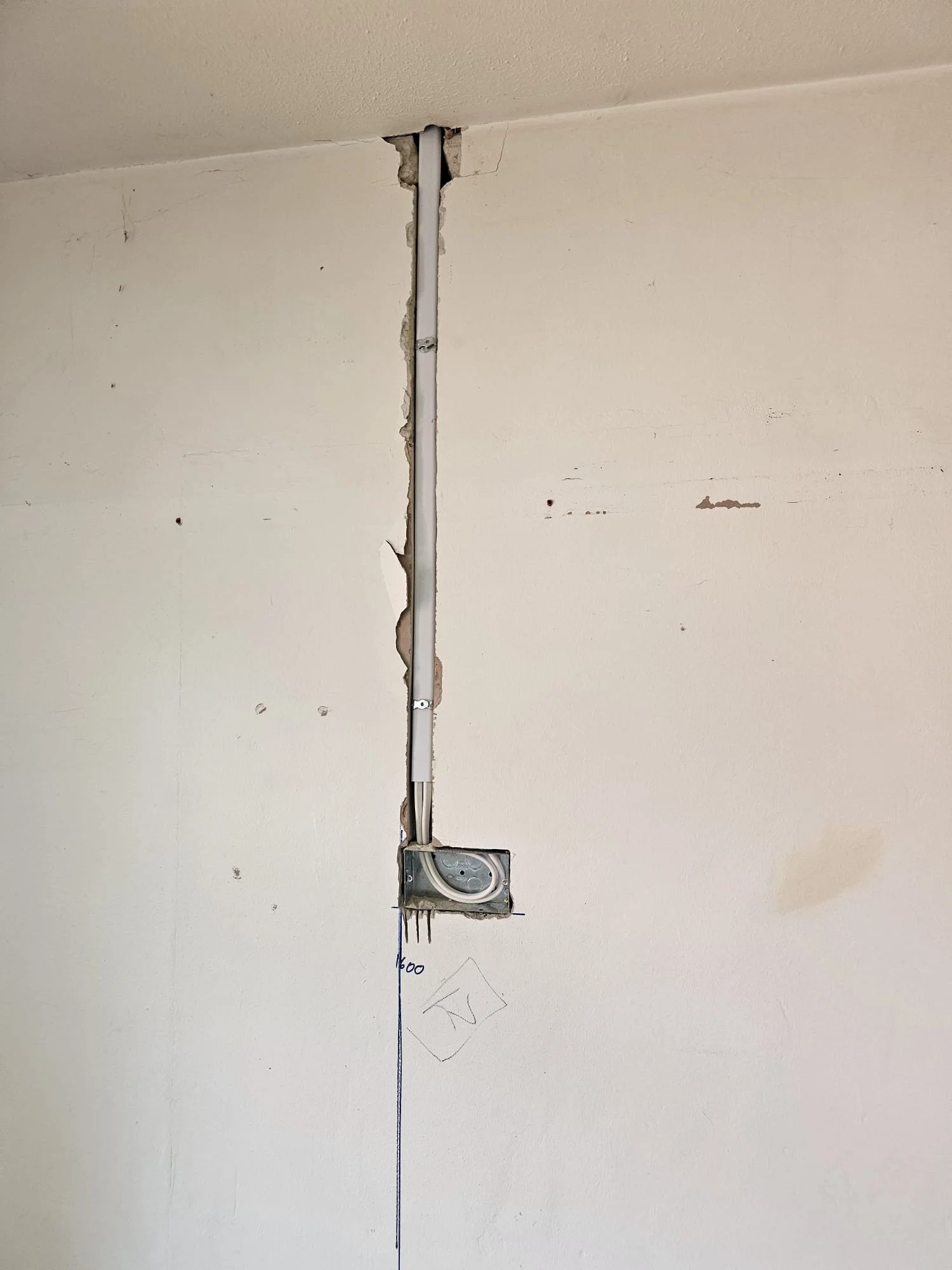
What Customers Say About Our Rewires
"Mark recently completed a house rewire for us in Horley. Great work, professional communication, and completed right on schedule. Top-tier local sparky."
"Great rewire of a club in Kingswood. Stripped out years of dodgy wiring and added more sockets with plans to brighten the place. Great work."
"Mark and dan been great. Full renovation required new circuits throughout. Fully recommend"
Do You Need a Rewire?
Most homes built before the 1970s should be checked. Electrical systems generally need upgrading every 25-40 years, or sooner if the wiring is damaged or unsafe. Many properties in Crawley Down, Smallfield, Horley and Outwood were built decades ago and may still contain outdated wiring or older fuse boards - homes in areas like Reigate, Dorking and East Grinstead with older wiring (pre-1980s) often need more extensive work.
Common signs a property needs rewiring include old round-pin sockets, frequent tripping or blown fuses, and an EICR that's flagged unsatisfactory results.
You May Not Need A Full Rewire
A full rewire is not always the answer. If the consumer unit and main circuits are sound but specific areas are failing; an old kitchen circuit, a section added years ago, upstairs lighting that has never been right - rewiring only what needs it costs less and takes days rather than weeks.
The honest way to find out is testing rather than guessing. An EICR shows which circuits are genuinely at end of life and which have years left, and that report is what a partial rewire gets planned from.
Where do you go during a rewire?
Most rewires happen with people still living in the property. We work room by room, keep power on where we can, and make good as we go rather than leaving plaster damage behind for someone else to deal with.
House Rewiring Across Horley, Redhill, Reigate & Crawley
House Rewiring in Horley
A good chunk of Horley's older housing stock is now well past the 25 to 30 year mark where rewiring becomes less "if" and more "when." We rewired a house near Horley town centre last month where the trigger was a house sale, the buyer's survey flagged the original wiring and the sale nearly fell through over it. Full rewire, start to finish, and the sale went ahead with a proper certificate to show for it.
House Rewiring in Redhill
Redhill's Victorian and Edwardian terraces often hide the real state of their wiring behind decades of redecoration. We rewired one recently where the owners had lived there two years assuming everything was fine, until a socket started smelling warm. Behind the walls, most of the original 1960s wiring was still in place, just papered over by every owner since. Partial rewire on the affected circuits sorted it, with a plan agreed for the rest down the line.
House Rewiring in Reigate
Reigate's period homes tend to come with the classic problem: wiring that's technically still working, but nowhere near what a modern household actually needs. A Reigate customer called us after blowing a fuse running a kettle and a hairdryer at the same time, which says more about 1970s wiring capacity than anything wrong with their appliances. Full rewire gave them a system actually built for how the house is used now.
House Rewiring in Crawley
Crawley's newer estates rarely need a full rewire, but extensions and loft conversions often expose gaps in the original design. We handled a partial rewire in Crawley where a loft conversion had been done years earlier with wiring that was never properly integrated into the rest of the house. Brought it up to current regulations and tied it into the main consumer unit properly, rather than leaving it running as its own patched-together circuit.
Full vs Partial Rewire
A full rewire replaces all the cabling, accessories (sockets, switches, light fittings) and the consumer unit in a property, bringing the entire installation up to current BS 7671 18th Edition Wiring Regulations. It's the right choice for older properties that haven't been touched in decades, or as part of a full refurbishment.
A partial rewire addresses specific circuits, rooms or areas that need updating - a kitchen or bathroom being modernised, an extension being added, or a section of wiring that's failed inspection - without disturbing the rest of the property's electrics. This is often the more practical and cost-effective route where the wider installation is still sound.
Housing stock within areas of Crawley, Horley and across Surrey and Sussex ranges from 1950s and 1960s new-town properties through to modern developments. The older the property and the longer since it was last rewired, the more likely it is to need attention. Common warning signs include:
A fuse box with old rewireable fuses rather than modern circuit breakers
Black rubber, fabric or lead-sheathed cabling - signs of wiring decades old
Round-pin sockets, or sockets mounted in skirting boards
Recurring tripping, flickering lights or a burning smell
Discoloured or warm sockets and switches
No RCD protection on the consumer unit
Green residue on wiring behind switches or sockets - a sign of insulation breaking down in cable from the 1960s-80s, sometimes called "cable cancer"
A full or partial rewire is new work, so it's carried out to the current edition of BS 7671 - including Amendment 4, which took effect in October 2026.
If your property shows any of these, an EICR inspection is the right first step - it confirms the condition of the installation and whether a full or partial rewire is needed.
What It Costs
Full house rewire - from £4,500, subject to a site survey. Prices vary depending on the age of your property, access to cabling, plaster depth, and whether the property is occupied during works. We always confirm a fixed price after a quick survey, before any work begins - no hidden costs, no surprises.
What to Expect
Rewiring isn't a quick job - it requires careful planning and skilled electricians. A full rewire typically takes between 5 and 10 days, depending on the size of the property and the condition of the existing installation. We'll assess your property before work begins, give you a clear timeline, and advise in advance on what to prepare for, keeping disruption to a minimum throughout.
Why It's Worth Doing
Rewiring ensures reduced risk of electrical fires or faults, compliance with current safety standards, the ability to support modern appliances and technology, and improved property value. Modern, safe wiring is a strong selling point for buyers and a factor insurers and mortgage lenders look favorably on.
Areas We Cover
We carry out full and partial rewires across Horley, Redhill, Reigate, Crawley, Copthorne, Smallfield, Salfords, East Grinstead, Dorking and the surrounding Surrey and West Sussex area.
Frequently Asked Questions
How often should a house be rewired?
Most homes built before the 1970s should be checked. Electrical systems generally need upgrading every 25-40 years, or sooner if damaged or unsafe.
Will rewiring increase my home's value?
Yes - modern, safe wiring is a strong selling point and can make a property more appealing to buyers and insurers.
How long does a full rewire take?
Typically 5 to 10 days, depending on the size of the property and the condition of the existing installation.
What's the difference between a full and partial rewire?
A full rewire replaces all cabling, accessories and the consumer unit throughout the property. A partial rewire updates specific circuits, rooms or areas without disturbing the rest of the installation.
How much does a rewire cost?
From £4,500, subject to a site survey - the exact price depends on your property's size, access and condition. We confirm a fixed price before any work begins.
Is your work guaranteed?
Yes. All workmanship is covered by a 24-month guarantee, and materials are covered by the manufacturer's warranty.